-
How to Choose Protective Coating for Wholesale: A Procurement Manager's FAQ
-
How do I choose a protective coating for wholesale?
-
Is waterproof membrane OEM worth it, or should I buy standard sizes?
-
How do I vet an industrial sealant private label supplier?
-
Why does the cheapest quote often cost more?
-
What hidden costs should I track in a TCO spreadsheet?
-
Where does IPG brown tape fit into a building materials procurement strategy?
-
Wait—are you talking about IPG fiber laser?
-
How do I balance value over price when budgets are tight?
-
How do I choose a protective coating for wholesale?
How to Choose Protective Coating for Wholesale: A Procurement Manager's FAQ
I'm a procurement manager at a 140-person building products distributor. I've managed our waterproofing, sealants, and coatings budget—about $2.1M annually—for 6 years. I've negotiated with 45+ vendors and logged every order in our cost tracking system. Below are the questions I get from junior buyers and contractors almost every week.
Quick navigation:
- How do I choose a protective coating for wholesale?
- Is waterproof membrane OEM worth it?
- How do I vet an industrial sealant private label supplier?
- Why does the cheapest quote often cost more?
- What hidden costs should I track?
- Where does IPG brown tape fit in?
- Wait—are you talking about IPG fiber laser?
How do I choose a protective coating for wholesale?
Start with the substrate and exposure conditions, not the price per gallon. It's tempting to think you can just compare unit prices. But identical specs from different vendors can result in wildly different outcomes. I ask for three things: batch test data, adhesion tests on our actual substrate, and a clear data sheet with VOC content. Per FTC guidelines (ftc.gov), claims like '20-year protection' must be truthful and substantiated. No coating is 'lifetime' unless someone shows you certified test results. In Q2 2024, we tested five coatings for a warehouse project. The cheapest one failed adhesion after 8 months. The mid-priced option—or rather, the second-cheapest—cost 15% more upfront but saved us a $6,800 recoat. That's the trade-off.
Is waterproof membrane OEM worth it, or should I buy standard sizes?
OEM pays off when standard rolls create too much waste. For our custom foundation jobs, standard 3-foot widths left 18% offcuts. We switched to IPG for waterproof membrane OEM after comparing 8 vendors over 3 months. Their minimum order was higher—$12,000 vs. $7,500 for standard—but the fit reduced waste by 12%. Maybe 10%, I'd have to check the exact number. The hidden cost? Setup fees and longer lead time. If your project is small or one-off, standard sizes are probably better. If you do repeat work, OEM can be worth it. Just get the tooling cost in writing.
How do I vet an industrial sealant private label supplier?
I assumed 'same specifications' meant identical results across vendors. Didn't verify. Turned out each had slightly different interpretations of 'cure time' and 'elongation.' Learned never to assume after receiving a batch that looked nothing like what we approved. Now I require: a signed batch consistency agreement, third-party lab reports for every lot, and a private label contract that names the exact formula. Industrial sealant private label is usually cheaper per unit, but you own the label risk. If the sealant fails, your brand takes the hit. Ask for their warranty terms in plain English. Also check whether they can support small MOQs—some require 10,000 units minimum.
Why does the cheapest quote often cost more?
In my experience managing $2.1M in annual spend, the lowest quote has cost us more in about 60% of cases. That $200 savings turned into a $1,500 problem when a sealant batch failed inspection and we had to redo a 40-unit order. The vendor charged a 'rush replacement' fee, freight was extra, and our crew lost two days. The second vendor's quote was 8% higher but included freight, inspection, and a replacement guarantee. TCO—total cost of ownership—is the only number that matters. Don't compare unit prices. Compare landed cost plus risk. I built a cost calculator after getting burned on hidden fees twice. It's not perfect, but it forces me to ask the right questions.
What hidden costs should I track in a TCO spreadsheet?
I don't have hard data on industry-wide defect rates, but based on our 5 years of orders, my sense is quality issues affect about 8–12% of first deliveries. Track these columns: freight and fuel surcharges, import tariffs, storage fees, incoming inspection labor, rework, warranty claims, and admin time for returns. Also add 'expedite fees' and 'MOQ penalties.' I wish I had tracked customer feedback more carefully from the start. What I can say anecdotally is that a $450 hidden setup fee looked small until we multiplied it across 12 orders. That's $5,400. I usually add 5% contingency for new vendors. Rarely do I skip that line.
Where does IPG brown tape fit into a building materials procurement strategy?
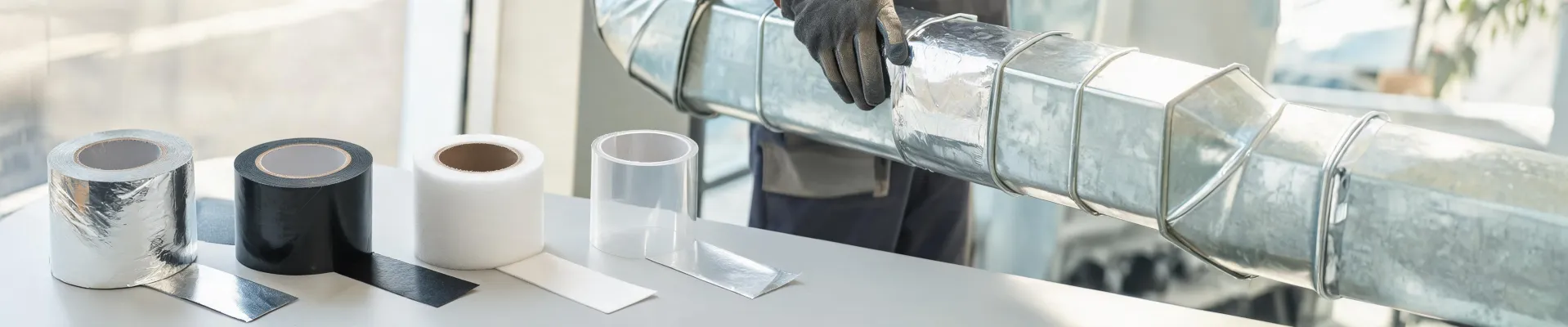
IPG brown tape is a quiet workhorse. We use it for HVAC duct sealing and vapor barrier joints. It's not the exciting part of a specification, but callbacks from tape failure are expensive. We standardized on IPG brown tape after testing three brands. The adhesive held at 40°F and 95°F—most others failed at one extreme. It's part of our one-stop sourcing approach: waterproofing membranes, sealants, protective coatings, industrial tapes, and HVAC components from one supplier. That reduces purchase orders and freight consolidation. But don't buy tape just because it's bundled. Check the adhesion spec against your substrate. I think the premium is worth it for critical joints, but for temporary sealing, a cheaper tape might be fine.
Wait—are you talking about IPG fiber laser?
If you found this page searching for IPG fiber laser, you're in the wrong industry. IPG fiber laser is a laser manufacturer—different sector, different products. The IPG I'm talking about is a building materials supplier: waterproofing membranes, sealants, protective coatings, industrial tapes, and HVAC components. Same acronym, different worlds. I've had new buyers confuse the two. One asked me why our sealant didn't come with a laser power supply. That was a fun email. So if you need fiber lasers, look elsewhere. If you need waterproof membrane OEM or industrial sealant private label support, this IPG is the one.
How do I balance value over price when budgets are tight?
My rule: never sacrifice inspection or warranty terms to hit a unit-price target. When budgets tighten, the temptation is to pick the lowest quote. That's usually a false economy. The cheapest option often shifts cost to your team—more inspections, more rework, more emails. I'd rather negotiate a 3% price reduction on a reliable vendor than chase a 15% discount from an unknown one. That's not a math rule; it's a risk rule. Time cost is real. One rework cycle can eat the entire savings. So build a TCO model, weight the risks, and be willing to walk away. Value over price isn't a slogan—it's how you keep your budget from bleeding.