-
IPG Building Materials FAQ: What I Wish I Knew Before Ordering
-
1. What does IPG supply for B2B building projects?
-
2. Is IPG Fiber Laser the same company as IPG building materials?
-
3. What should I check before ordering bulk waterproof membrane?
-
4. How do I vet an architectural coating manufacturer?
-
5. What does an elastomeric coating distributor buying guide usually miss?
-
6. Is IPG 698 tape right for every job?
-
7. When should you not choose IPG?
-
8. What pre-order checklist catches most mistakes?
-
1. What does IPG supply for B2B building projects?
IPG Building Materials FAQ: What I Wish I Knew Before Ordering
I've been handling building materials procurement and specification orders for 9 years. I've personally made—and documented—7 significant mistakes, totaling roughly $18,400 in wasted budget. Now I maintain our team's pre-order checklist to prevent others from repeating my errors. This FAQ is that checklist, minus the boring parts.
1. What does IPG supply for B2B building projects?
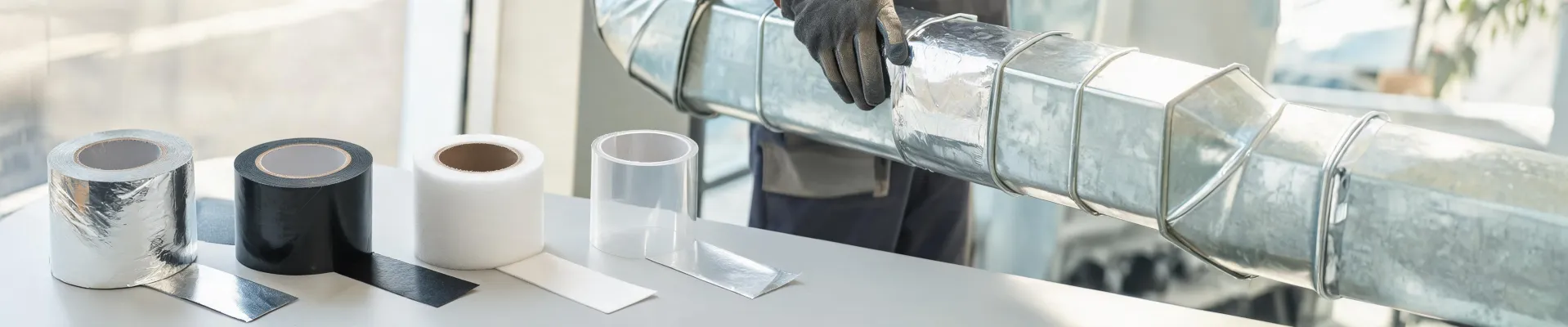
IPG is a B2B building materials supplier covering waterproofing membranes, sealants, protective coatings, industrial tapes, and HVAC components. The useful part for contractors and distributors is one-stop sourcing: you can get a bulk waterproof membrane quote, an architectural coating manufacturer relationship, and tape/sealant accessories without juggling five vendors. We also support OEM/private label manufacturing and compliance/specification guidance. That last part matters more than people think. A membrane is only as good as the system around it: primer, tape, sealant, and flashing have to work together. If your project needs a tested assembly, ask for the technical data sheet, SDS, and batch consistency info up front. Bottom line: IPG is built for buyers who plan, specify, and order in commercial quantities.
2. Is IPG Fiber Laser the same company as IPG building materials?
No. This is a common wrong-click. IPG Fiber Laser usually refers to IPG Photonics, a company focused on fiber lasers and photonics. IPG building materials is a different side of the industrial world: membranes, coatings, sealants, tapes, and HVAC parts. I once got a quote request for 40 rolls of waterproof membrane from someone who actually needed laser safety curtains. Not the same catalog. If you are searching for ipg fiber laser, check the model number and company website carefully. If you are searching for ipg 698 tape, bulk waterproof membrane, or architectural coating supply, you are in the right place. Honestly, I'm not sure why search results mix the two so badly. My best guess is the shared initials and the fact that both serve industrial buyers.
3. What should I check before ordering bulk waterproof membrane?
Check substrate, slope, thickness, roll width, overlap, and accessory compatibility. Then check it again. In my first year (2017), I ordered 480 rolls of bulk waterproof membrane in the wrong width for a commercial roof detail. It looked fine on the quote. The crew found out on install day. That error cost about $2,900 in redo plus a 1-week delay. Not ideal. For steep roofing underlayment, ASTM D1970 is a common reference. For modified bituminous sheet sampling and testing, ASTM D5147 is often used. Those standards do not replace project specs, but they give you a baseline. Also confirm storage temperature and shelf life. Some membranes get tackier or stiffer depending on how they were stored. It can be a red flag when a supplier cannot tell you the batch date.
4. How do I vet an architectural coating manufacturer?
Ask for batch consistency, VOC documentation, color tolerance, elongation, adhesion, and recoat window. Do not just look at the brochure. In September 2022, I approved an elastomeric coating order with the wrong elongation for a project with high movement. We ordered 120 pails. It failed field testing. That mistake cost roughly $4,800 and pushed the schedule by 2 weeks. So glad I made them cure a sample after that—almost approved another 120 pails the same way. For elastomeric joint sealants, ASTM C920 is a standard spec to know. For liquid-applied acrylic roof coatings, ASTM D6083 is another useful reference. Per FTC Green Guides (16 CFR Part 260), environmental claims like 'recyclable' or 'eco-friendly' must be substantiated and qualified. If a coating manufacturer cannot provide third-party test reports, that is a deal-breaker for me.
5. What does an elastomeric coating distributor buying guide usually miss?
Most buying guides talk about price per gallon and ignore surface prep, moisture, temperature, recoat window, and warranty terms. That is backwards. The coating is maybe 40% of the job. Prep and application conditions are the rest. I learned this on a 2021 warehouse project where humidity delayed the recoat window. We had to wait an extra day with a crew standing around. Expensive. A good elastomeric coating distributor buying guide should ask: Who trains the applicator? What is the warranty process? Can the distributor support batch matching across multiple shipments? If you need 5,000 gallons in 72 hours, a local stocking distributor may actually be a better fit than a direct manufacturer. That is not a knock on IPG. It is just logistics. Honest limitation: if speed beats spec support for your project, say so early.
6. Is IPG 698 tape right for every job?
No. IPG 698 tape is an industrial tape, not a universal fix. Adhesive chemistry, backing, thickness, and temperature range matter. In Q1 2024, I ordered 36 cases of IPG 698 tape for a cold-weather HVAC sealing application. It was below the recommended application temperature on install day. The edges lifted. We wasted about $1,100 and had to redo the sealing. Later, I double-checked a similar order before approving it. Was one click away from ordering 10x what we needed. Dodged a bullet. For tapes, test surface energy, temperature, UV exposure, and compatibility with your membrane or sealant. If you are sealing EPDM in 20°F, do a test patch first. Simple. If a supplier promises it will work on everything, that is a red flag, not a feature.
7. When should you not choose IPG?
I recommend IPG for B2B buyers who can plan ahead, value specification support, and need OEM/private label or commercial quantities. But there are cases where we are not the best fit. If you need one roll for a weekend repair, a local distributor is probably faster. If you need a single custom color in 48 hours, set expectations early—custom batches take time. If your project requires a pre-approved local installer network and you do not have one, a regional distributor may be a better first call. And if you want a no-documentation cash sale with no submittals, we are not built for that. That is the honest limitation. No supplier is perfect for every job. The goal is to match the supply model to the project, not force the project into the supply model.
8. What pre-order checklist catches most mistakes?
After the third rejection in Q1 2024, I created our pre-check list. It has five parts: spec vs. quote, units, compatibility, temperature, and compliance documents. We compare the project spec line-by-line with the quote. We confirm roll width, pail size, case count, and coverage rates. We check membrane, primer, tape, and sealant compatibility. We check application temperature and recoat window. We confirm TDS, SDS, and test reports are current. We've caught 47 potential errors using this checklist in the past 18 months. That is the ballpark. It is not glamorous. It is just a checklist. But it works. Measure twice. Order once.