Last March, I was staring at a spreadsheet
Last March, I was at my desk at 6:40 a.m., trying to explain why our waterproofing line item on a 42,000-square-foot mixed-use project was already 19% over budget. We hadn't even broken ground. The spec called for a bulk waterproof membrane across the deck, liquid waterproofing at every penetration, and a full paper trail for moisture barrier compliance requirements. I had three quotes and a bad feeling.
Quick aside: if you landed here searching for ipg fiber laser, that's a different IPG. I'm talking about IPG building materials—waterproofing membranes, sealants, protective coatings, industrial tapes, and HVAC components. Same letters, different universe. The IPG I buy from is the one sitting in my submittal binder.
I'm a procurement manager at a 120-person construction supply company. I've managed our envelope materials budget—about $1.8 million annually—for seven years. I've negotiated with 60-plus vendors, and I document every order in our cost tracking system. So when I say I almost got this wrong, I mean I had the spreadsheet open and everything.
The quote that looked too good
Vendor A came in at $0.47 per square foot for the bulk waterproof membrane. Vendor B, which was IPG through a local distributor, quoted $0.58. On the surface, that's an 11-cent gap. For 42,000 square feet, Vendor A looked like the obvious win.
If you've ever had a low quote turn into a high invoice, you know where this is going.
I built the TCO comparison anyway. Our procurement policy requires it for anything over $5,000. Vendor A's quote excluded freight, primer, and submittal support. IPG's quote included standard freight to the jobsite, a specification guide, and batch documentation. Vendor A also had a six-week lead time; IPG quoted four weeks.
Here's something vendors won't tell you: 'bulk pricing' often starts at a pallet minimum, and freight class can change once you cross a certain weight. That 'bulk' membrane might not be bulk once you add freight and minimums. Vendor A's real landed cost was $0.61 per square foot. IPG was $0.58. The cheap quote was $1,260 more before we even talked about schedule.
Then I found the primer issue.
Where the TCO spreadsheet changed my mind
Vendor A's membrane required a specific primer with a 14-day cure window before membrane application. Our schedule had two days. We could have paid for an accelerator, but that added $3,800 and a new warranty question. IPG's system used a primer that could cure overnight, assuming normal conditions. That was the turning point. It wasn't about the membrane anymore. It was about whether the project could actually move.
Everything I'd read about bulk waterproof membrane procurement said to focus on price per square foot. In practice, the cheapest quote was the most expensive once primer, freight, and schedule risk hit. I'm not saying ignore unit price. I'm saying unit price is the first number, not the last.
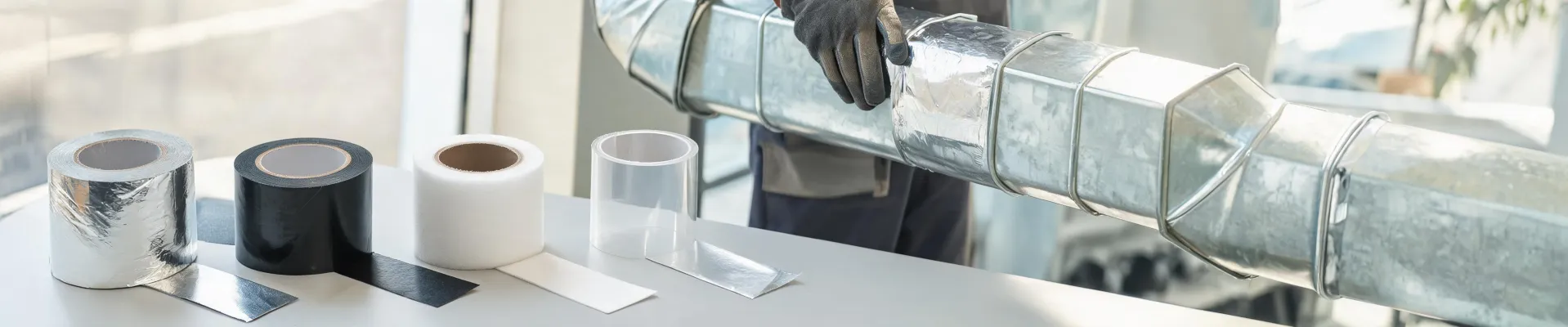
We switched to IPG for the bulk membrane, liquid waterproofing, and the flashing tape. When I tape with IPG, I'm usually sealing membrane seams or detailing penetrations—not running a fiber laser. That phrase, 'i tape with ipg,' is basically my install crew's shorthand for grab the IPG tape and get the detail right.
The install: liquid waterproofing, tape, and a short shipment
The first shipment arrived two pallets short. (Should mention: we'd built in a three-day buffer, because I've been burned before.) The distributor had the missing pallets on site in 24 hours. We lost half a day, not three. That buffer was the only reason the schedule held.
The liquid waterproofing went down around 18 penetrations, two roof drains, and a mechanical curb. We used IPG's membrane for the field and IPG tape for the seams and corners. The submittal package had the test reports and installation instructions our GC needed. I'm not a code official or waterproofing consultant, so I can't speak to your local moisture barrier compliance requirements. What I can tell you from a procurement perspective is that documentation matters as much as the material. If the submittal is incomplete, the inspector will stop you.
Per FTC advertising guidelines (ftc.gov), claims must be truthful, not misleading, and substantiated with evidence. That's a good filter for any '100% waterproof' or 'code-compliant' statement a vendor gives you. Ask for the test reports. Ask which code section they're referencing. If they can't answer, that's your answer.
We finished the project two days early. The waterproofing line item came in under budget by around $9,400—maybe $9,000, I'd have to check the PO. The bigger win was no callbacks during the rainy season.
What I'd do differently
Nothing dramatic, but a few things:
- I'd ask about primer cure time in the first call, not the third quote revision.
- I'd get the freight and pallet minimum in writing before comparing unit prices.
- I'd build a schedule-risk column into our TCO spreadsheet. A one-day delay costs us about $4,200 in labor and equipment. That changes the math fast.
- I'd confirm that 'bulk waterproof membrane' pricing includes the accessories. Membrane without primer, tape, and termination sealant isn't a system.
Who this is for—and who it isn't
I recommend IPG for projects with complex penetrations, phased schedules, and documentation-heavy submittals. If you're doing a simple warehouse roof with no details and a wide-open schedule, a commodity bulk membrane might be the better call. If you need same-day return-to-service and no primer at all, liquid waterproofing may not fit your job. And if you're working outside North America, my experience might not translate—my sample is about 180 commercial orders, mostly U.S. industrial and mixed-use projects.
I've only worked with domestic distributors. I can't speak to international sourcing or how these principles apply to residential work. Your mileage may differ.
Bottom line
The cheapest bulk waterproof membrane quote wasn't the lowest total cost. The IPG quote wasn't the lowest unit price, either. But it was the one that kept the schedule, passed submittal review, and avoided redo costs. If you're comparing waterproofing options, build the TCO. Ask about primer. Ask about freight. Ask for the compliance paperwork. And if the answer is 'we'll figure it out in the field,' walk away.