The email came in at 4:47 PM on a Tuesday in March 2023. Our facilities manager's subject line said it all: "Basement moisture issue - Unit 3, need a solution by end of week."
I'm the office administrator for a 380-person company spread across three locations. I handle indirect purchasing—roughly $240K annually across eight vendors. Coffee, cleaning services, office supplies, the occasional furniture order. Not building materials. Not basement waterproofing. When I opened that email and saw "please call some basement waterproofing wholesale suppliers," I did what any reasonable admin does: I Googled everything I didn't know.
That was the start of a three-month education I didn't sign up for, and about $22,000 in rework I'd rather forget.
First Attempt: Finding Suppliers Who Actually Wanted Our Business
I pulled a list of about a dozen waterproofing membrane and coating distributors. Called the first five. Two never called back. One sent a catalog that looked like it was printed in 2009. Two seemed legit—both offered basement waterproofing wholesale pricing tiers, both had spec sheets, both promised "fast turnaround."
I went with the one that answered the phone on the first ring and quoted us $18,400 for membranes, sealant, and installation materials. The other one was $21,900. Honestly, in the moment, that $3,500 gap felt like a no-brainer.
Looking back, I should have asked what the $3,500 actually bought. At the time, I assumed it was just margin—same product, different markup. That assumption cost us.
The Spec Mismatch Nobody Caught
Here's what happened. The lower-priced vendor sent their standard waterproofing membrane. Our building is a 1960s structure with a concrete basement that gets seasonal groundwater. Their standard membrane was rated for what they called "typical residential moisture." Our facility manager assumed "waterproofing membrane" meant the same thing across every manufacturer.
It doesn't. Learned that the hard way.
Three weeks after install, we had water coming through a section they'd covered. Not a flood—but enough that the tenant below Unit 3 started documenting damage. I called the vendor. Their response: "That membrane is rated for above-grade and light below-grade use. Your application is fully below-grade with hydrostatic pressure."
Nobody on my side had asked. Nobody on their side had checked. We'd both assumed.
If you're sourcing vapor barrier or waterproofing materials and you haven't downloaded the actual data sheet—not the marketing PDF, the technical one—you're gambling. I'm not exaggerating. That's the $22,000 lesson.
Time Pressure Makes Bad Decisions Faster
Once the leak was confirmed, our COO wanted it fixed in ten days. That's not how waterproofing works. But when your COO gives you a timeline, you work backward from it.
Normally I'd get three quotes. Normally I'd verify protective coating specifications against the actual application. Normally I'd ask for references on similar projects. But with ten days and a repair crew already scheduled, "normal" wasn't on the table. I called the higher-priced vendor—the one I'd skipped—and asked if they could mobilize.
Best accidental decision I made in this whole mess.
What a Good Vapor Barrier Manufacturer Actually Looks Like
The second vendor did something the first one never did. Before they quoted, they asked for photos of the basement. They asked about groundwater history. They asked what was on the other side of the wall. Then they sent a protective coating specification package that ran fourteen pages—and walked me through it on a call.
That's when I learned how to evaluate vapor barrier manufacturers properly. It's not about price per square foot or how fast they answer the phone. It comes down to four things I now check every time:
- Do they ask about your application before quoting? If they quote blind, they're selling product, not solutions.
- Will they share full technical data sheets, not just brochures? You want ASTM ratings, perm ratings, tensile strength, elongation. Real numbers.
- Do they offer spec review? Good vendors will review your protective coating specifications against their product and flag mismatches before installation.
- Do they have references for jobs similar to yours? Not just "we've done commercial work." Ask for a below-grade job with documented groundwater pressure. Ask to call that customer.
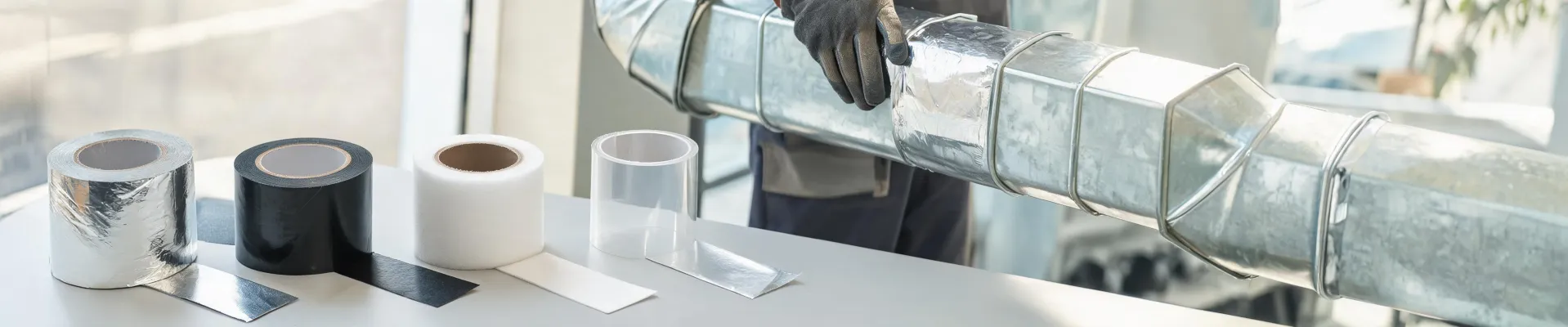
The vendor who passed this checklist also introduced us to products we hadn't considered—including IPG water activated tape for sealing membrane seams. Their team explained that the tape's activation mechanism made it more reliable in damp conditions than standard pressure-sensitive tape. Small detail. But in a below-grade install, small details are the whole game.
The Fix, and What It Actually Cost
We re-did the membrane with the proper rating. The second vendor mobilized in eight days—two ahead of the deadline. Total rework including the abatement of the failed install came to $22,000 on top of the original $18,400. So yeah, that "cheap" first quote cost us $40,400.
But here's the part that stings less: the second vendor hasn't had a callback on that unit since. Eighteen months now.
What I Do Differently Now
If I could redo it, I'd have slowed down on the front end. Requested technical data sheets before I even compared prices. Asked both vendors the same five questions. Written down the answers in a spreadsheet instead of trusting my memory.
But given that I didn't know anything about waterproofing before March 2023, and given that I had a facilities manager breathing down my neck, my first choice was reasonable. Just wrong.
The lesson isn't "spend more money." It's "verify before you trust a quote." Because a quote is just a number until you know what's behind it.
One more thing—if you're in a role like mine, where you're buying things outside your expertise, please do yourself a favor and build a short checklist for anything structural. Protective coating specifications, vapor barrier ratings, waterproofing membrane classes. It's not about becoming an expert. It's about knowing which questions make a vendor slow down and give you a real answer instead of a sales pitch. That slowdown is where the value is.
And if you ever get an email at 4:47 PM asking you to source basement waterproofing by end of week? Take a breath. Verify first. The week will end either way.