-
1. Start with the water condition, not the coating name
-
2. Pull basement waterproofing compliance requirements first
-
3. Turn generic names into a spec with numbers
-
4. Verify the exact product code and how it can be traced
-
5. Ask for a sample you can break, not a chip you can match
-
6. Compare total installed cost, not price per gallon
-
7. Make documents part of the delivery, not an afterthought
-
Three mistakes that follow me around
I've spent the last six years working on the purchasing side of construction materials. Most days I'm not out in the field; I'm the person asking suppliers why their quote is missing freight or whether their coating really is the one the spec calls out. This checklist is about protective coating sourcing for below-grade projects, especially basement waterproofing. It is not a substitute for an engineered design. It's a list of questions I ask before the purchase order gets printed.
One project got stuck because the product name sounded clear. The team asked for a waterproof coating. Nobody asked whether the wall would sit in groundwater or whether it only needed dampproofing. That one word—waterproofing versus dampproofing—cost about three weeks of resubmittal. The coating itself wasn't the problem.
Here are the seven checks I now run. Some are technical. Some are administrative. The expensive mistakes live in the gap between the two.
1. Start with the water condition, not the coating name
It feels backwards if you're responsible for buying a protective coating. You want to search for a product first. But the first question is simple: what will this basement actually be exposed to?
In the U.S. model building code, dampproofing is generally allowed when no hydrostatic pressure is present. Waterproofing is needed when hydrostatic pressure is expected. I'm not throwing around a section number because local amendments and code editions change the details. The point is that these are different classes of protection, and they are not safely interchangeable.
Write down answers to these before talking to a supplier:
- Is the below-grade wall or floor subject to hydrostatic pressure?
- Is there a groundwater table or seasonal drainage issue?
- Does the design rely on drainage to remove water before it can act on the coating?
If no one can answer those, stop. You're not ready to compare coating prices yet.
2. Pull basement waterproofing compliance requirements first
Basement waterproofing compliance requirements usually start with three things: the adopted building code, the project specification, and the manufacturer's published assembly. The product data sheet alone is not a code approval.
For buying purposes, I ask for this before any quote:
- The project spec section or drawing note that says what system is required.
- A code path, not just a product claim. If the jurisdiction requires third-party evaluation reports for below-grade waterproofing, add that to the vendor qualification list.
- If there is a slab on ground below the basement, check whether a vapor retarder under the slab is required by spec. The standard I see most often is ASTM E1745 for the material and ASTM E1643 for installation. It's less exciting than a coatings brochure, but it stops you from ordering the wrong plastic sheet and calling it waterproofing.
Code compliance is not decided by the supplier giving the best quote. It is decided by the building official and the design professional. Give them what they ask for before the material arrives.
3. Turn generic names into a spec with numbers
'Protective coating' is not a spec. Neither is 'waterproofing membrane.' If I don't have numbers, I can't compare two suppliers fairly.
Here is what I ask for on any coating before I put it into a spreadsheet:
- Dry film thickness for each coat and the total system thickness
- Water vapor transmission or permeance, tested by a recognized method like ASTM E96
- Adhesion to the actual substrate, not to a lab panel
- Crack-bridging or elongation if the wall is expected to move
- Substrate preparation requirements and the temperature and humidity range for application
The most common warning sign? A data sheet that gives a marketing name but leaves out the test method. If a number only means something to the manufacturer, it will not hold up in a submittal review.
4. Verify the exact product code and how it can be traced
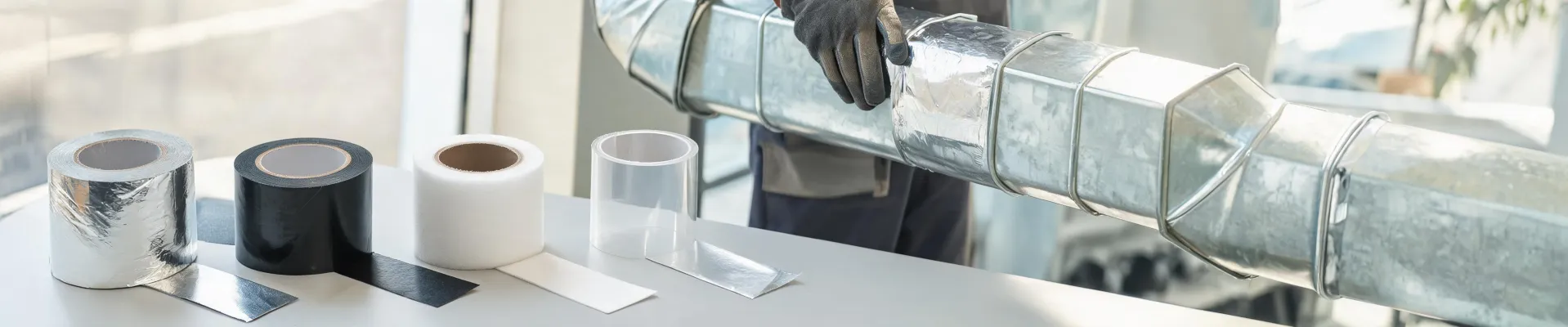
The fastest way to turn a small ordering error into a budget problem is to buy by category instead of by product code. This shows up with products that look alike but are not the same. Take IPG aluminum foil tape. It is often bought under the generic phrase 'aluminum tape,' but the product code includes details such as adhesive type, liner, roll length, foil thickness, and temperature rating. Ask any vendor who says 'we have the same thing' to show you the current data sheet next to the specified IPG sheet. If every line doesn't match, it is not the same product.
Traceability matters more than people expect. If a coating or tape lot is ever questioned, someone needs to know which batch went to which job. Paper labels can get wet and fade on site. That is why I ask how lot numbers are applied. On a roll core, a permanent mark from a fiber laser survives humidity much better than a paper label—some production lines use an IPG fiber laser to mark the core itself. That detail sounds overly clever until the warehouse stays damp for three weeks.
Before ordering, put the exact product code and 'record lot numbers at delivery' on the purchase order.
5. Ask for a sample you can break, not a chip you can match
A coating sample glued to a card tells you color. It tells you nothing about how the product behaves after primer, reinforcement, and protection board.
If it's possible, ask the applicator to make a small mockup using the same substrate, same primer, same thickness, and same cure time. Then cut it apart. The interface that fails will tell you more than the topcoat.
Also, check the product under the conditions it will actually face. I've sourced a coating that looked excellent on a data sheet but could not be applied below 50°F, which was a problem for an unheated basement on a spring schedule. It wasn't a bad coating. It was a bad fit for the calendar.
6. Compare total installed cost, not price per gallon
This is where the cost controller in me gets loud. A lower price per gallon is not a lower project cost if the cheap material needs a primer, two coats, or more surface prep.
One quote was cheaper per gallon but only reached the required thickness with two coats plus a separate primer. Another was more expensive per gallon, self-priming, and went on in one coat. The first product looked better in the raw material comparison and was more expensive in the total installed comparison.
The cost model should include material per square foot, labor, cure time, surface prep, primer, freight, minimum-order quantities, storage, and documentation. Also, include the cost of a schedule delay if the supplier cannot answer a technical question in writing.
I almost ignored a gut instinct once because the numbers said a cheaper vendor would save us 20 percent. The rep had a strong price but a slow response to compliance questions. My gut said that delay was a signal, not a small flaw. The same vendor later missed a document deadline on another order. The spreadsheet did not catch it. The 'no response' pattern did.
7. Make documents part of the delivery, not an afterthought
When the product arrives is the wrong time to discover that the SDS is for an older product or that the manufacturer evaluation report was not included. I put document requirements in the purchase order so the supplier can't say they didn't know.
Minimum docs to request with the first shipment:
- Current product data sheet and SDS
- Lot numbers and, if needed, a certificate of analysis or compliance
- Manufacturer evaluation report or code compliance listing, if the spec requires one
- Installation instructions that match the product revision being shipped
Some suppliers make this easy. Some treat paperwork as an extra service. It helps to find out which one you're dealing with before you choose.
Three mistakes that follow me around
First, using dampproofing and waterproofing as synonyms. They have different code definitions and different product requirements. Ask someone with the local code to confirm the designation before you order.
Second, ordering a coating before the substrate is ready. Concrete with a curing compound, loose laitance, or active water migration can defeat an otherwise good system. Surface prep is not a value-add. It's part of the system.
Third, letting a substitute replace the named product without going through the same submittal process. To be fair, substitutions are often fine. But 'the same thing' by name is not enough. The current data sheet, product code, and approval letter need to line up.
One caveat: my experience is mostly commercial and distribution-side sourcing for coatings and tapes, where the design responsibility sits with someone else. If you're buying a small amount for a single residential basement, this checklist is probably more than you need. If you're dealing with occupied space below grade and a high water table, this checklist is not enough. That's when you need a waterproofing consultant or engineer before anyone orders a drum.
Bottom line: protective coating sourcing gets cheaper when you force the details to surface before the purchase order. The product name is just the beginning. The water condition, code path, product code, traceability, and total installed cost are what make it a real sourcing decision.