-
What construction products does IPG supply?
-
How do I choose the right waterproofing membrane?
-
What should a basement waterproofing specification guide include?
-
How do I buy construction sealant wholesale without getting burned?
-
Does IPG support OEM or private label manufacturing?
-
What certifications and compliance documents should I request?
-
"IPG" searches bring up fiber lasers and medical devices. Which IPG is this?
-
How do I verify an IPG product will work for my project?
Searching for IPG building materials? I've been there. A quick search for "IPG" can surface fiber laser manufacturers, medical device suppliers, and all sorts of things that are not construction products. If you're sourcing waterproofing membranes, buying construction sealant wholesale, or trying to make sense of a basement waterproofing specification guide, this FAQ is a practical place to start. I manage purchasing for a mid-sized commercial building services company, and these are the questions I wish I'd asked before my first order.
What construction products does IPG supply?
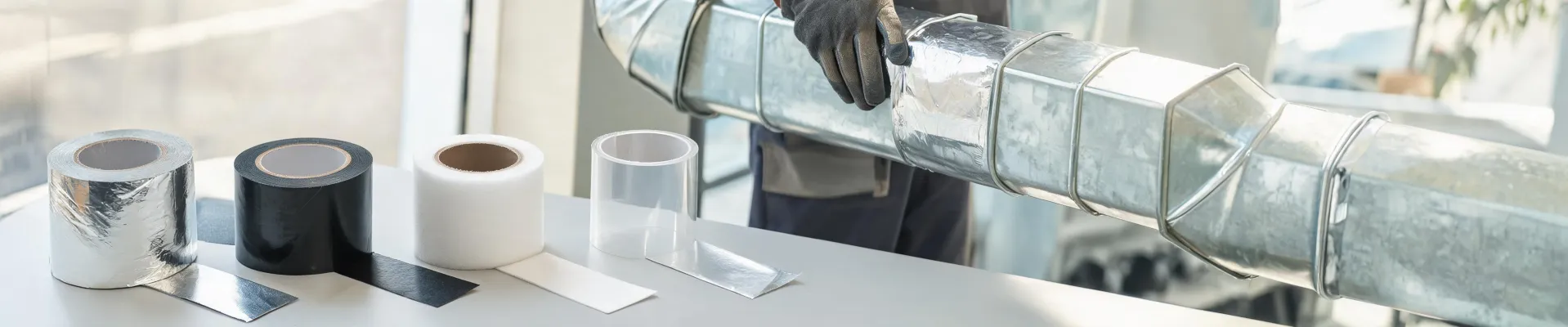
IPG's building materials line is built around waterproofing and sealing: sheet and liquid-applied waterproofing membranes, construction sealants, protective coatings, industrial tapes, and HVAC components. They operate as a B2B supplier, which means they work with contractors, distributors, and wholesalers rather than selling single tubes off a shelf.
From my side as the person placing orders, the real appeal is consolidation. We used to manage four or five vendors for different sealants, membranes, and tapes. When we consolidated our vendor list in 2024, the waterproofing and sealing category went down to one main source. Fewer POs to process, fewer delivery issues to chase, and less paperwork for finance. That's worth more than a small unit-price difference.
How do I choose the right waterproofing membrane?
Before anything else: read the basement waterproofing specification guide. If you don't have one, ask the architect or engineer to issue one before you buy materials. The spec tells you the required membrane type, thickness, and application method—sheet-applied or liquid-applied. Those two systems are not interchangeable in the field.
It's tempting to think the thickest membrane is the safest choice. But a liquid-applied membrane with 60 mils dry film thickness doesn't behave like a 60 mil sheet membrane. The application method, surface prep, and behavior at penetrations are completely different. At least, that's been my experience on commercial basement projects—thicker isn't automatically better if the system doesn't match the substrate.
Key numbers to compare: tensile strength, elongation at break, puncture resistance, and water vapor transmission. ASTM E96 is the standard test method for water vapor transmission, and a legitimate manufacturer should provide those values without hesitation. If the supplier can't, that's a red flag.
What should a basement waterproofing specification guide include?
A good spec guide is more than a product name and a thickness. Generally, I expect to see:
- Substrate preparation requirements—moisture content, cleanliness, priming
- Membrane type and minimum coverage rate
- Overlap and seam details for sheet systems
- Cure time before backfill or applying the next coat
- Inspection and quality control checkpoints
One thing I wish I'd known earlier: a spec guide is a communication tool, not a magic document. The architect writes it, the contractor interprets it, and the distributor supplies to it. When those three aren't aligned, you get material that technically meets the spec but performs poorly on site.
Looking back at our first basement project—I want to say 2021, but don't quote me on the exact month—I should have asked the distributor to walk through the spec with us before we ordered. At the time, it seemed straightforward. It wasn't. The membrane we ordered met the product type but not the installed coverage requirement the spec assumed. We placed a second order and delayed the schedule by two weeks.
How do I buy construction sealant wholesale without getting burned?
Three things to check before committing to a bulk order:
- Shelf life. Construction sealants have a usable life. If you order a year's supply and it expires in nine months, you're wasting money. Check the lot date and shelf life before booking the order.
- Packaging size. Cartridges, pails, drums—labor is part of the real price. A cheaper sealant in cartridges can cost more per gallon than a higher-quality product in bulk if your crew can't transfer it efficiently on the job.
- Sample compatibility. The spec sheet tells you properties. It doesn't tell you how the sealant behaves on your substrate, in your climate, with your crew's application pace. Ask for a sample and test it on a representative surface. We once ordered 40 cases of a sealant that flashed over too fast for the evening shift to finish tooling. What I mean is, it started skinning before the workers could smooth the joint. On paper it was fine. In practice, it was a mess.
I don't have hard data on wholesale price trends across regions, but based on quotes we've received in Q1 2026, generic construction sealants run roughly $3–6 per cartridge, while ASTM C920-compliant high-performance sealants land more in the $6–12 range. Verify current pricing with your IPG rep—sealant prices are moving with raw material costs.
Does IPG support OEM or private label manufacturing?
Yes. IPG offers OEM and private label options for distributors and manufacturers who want their own branding on membranes, sealants, and coatings. That's been a bigger part of our work than I expected. One of our distribution partners wanted a private-label sealant line rather than reselling an existing brand. IPG handled the labeling and packaging.
What I didn't anticipate was the compliance paperwork. Private label shifts more responsibility to you for the product's quality claims. Make sure your legal or compliance team reviews the agreement before you sign.
If I could redo that process, I'd have looped in our compliance contact at the first conversation instead of after the quote. But given what I knew at the time—that private label was 'just branding'—it seemed like a commercial decision. It's not.
What certifications and compliance documents should I request?
I'm not a code official, so take this as a starting point, not the whole answer:
- ASTM compliance. Ask whether the product meets the relevant standard. For example, ASTM C920 covers elastomeric joint sealants; ASTM D1970 covers self-adhering polymer-modified bituminous sheet underlayment.
- ICC-ES evaluation reports. Many U.S. jurisdictions base approvals on these reports. Ask for the report number.
- VOC and SDS data. VOC content is regulated in many states. Request the SDS and VOC compliance data before ordering.
- Warranty documentation. Read what the warranty covers—and what it excludes. Most membrane warranties include an approved-substrate clause.
The Authority Having Jurisdiction is the final word, though. We've had products approved in one county that needed extra documentation in the next. Verify current regulations at your local building department before you commit.
"IPG" searches bring up fiber lasers and medical devices. Which IPG is this?
That's a fair question. "IPG" is a short acronym, and multiple industries use it. If you're looking for the building materials division, you want the IPG that supplies waterproofing membranes, construction sealants, protective coatings, industrial tapes, and HVAC components. The fiber laser and medical device results are different organizations.
My verification routine is simple. Check the product line first—if the website isn't listing membranes and sealants, it's the wrong place. Reach out to the building materials team directly and ask for a spec sheet; legitimate B2B suppliers respond quickly. And I'd be cautious about any site that claims to sell construction materials, medical devices, fiber lasers, and everything in between under one roof. That's usually a drop-shipping reseller, not a manufacturer.
How do I verify an IPG product will work for my project?
Send the specification guide to your IPG representative and ask them to confirm, in writing, that the product meets it. That single practice has saved me more headaches than anything else. In Q1 2025, we avoided a costly re-order by asking that one question before purchasing.
Ask for a product data sheet, a safety data sheet (SDS), a sample or small batch for field testing, and written confirmation that the product matches the spec requirements. Take this with a grain of salt: the best suppliers I've worked with don't answer spec questions with "it should be fine." They give you a written response with product data. If a supplier won't commit in writing, move on to one who will.